
Toyota Yaris: Seat Heater System / System Diagram
Toyota Yaris XP210 (2020-2026) Reapir and Service Manual / Vehicle Interior / Seat / Seat Heater System / System Diagram
SYSTEM DIAGRAM
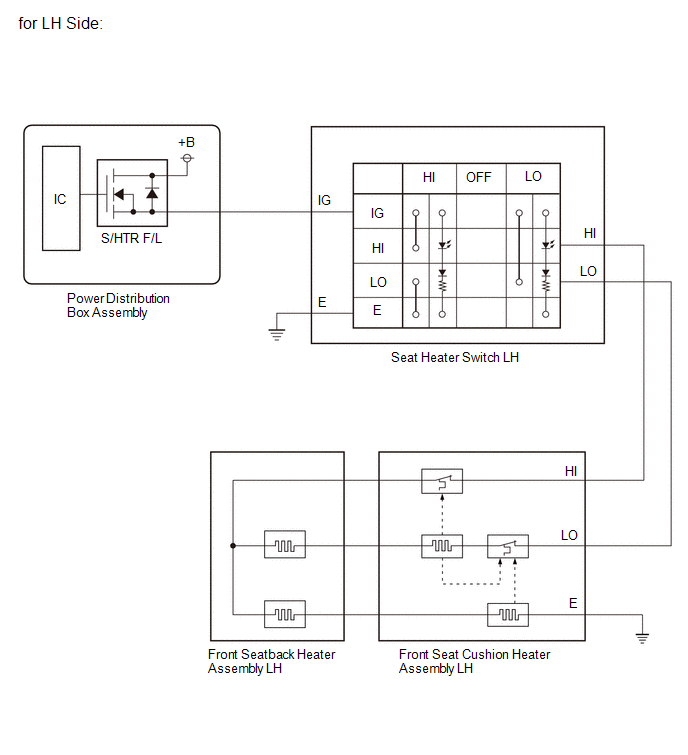
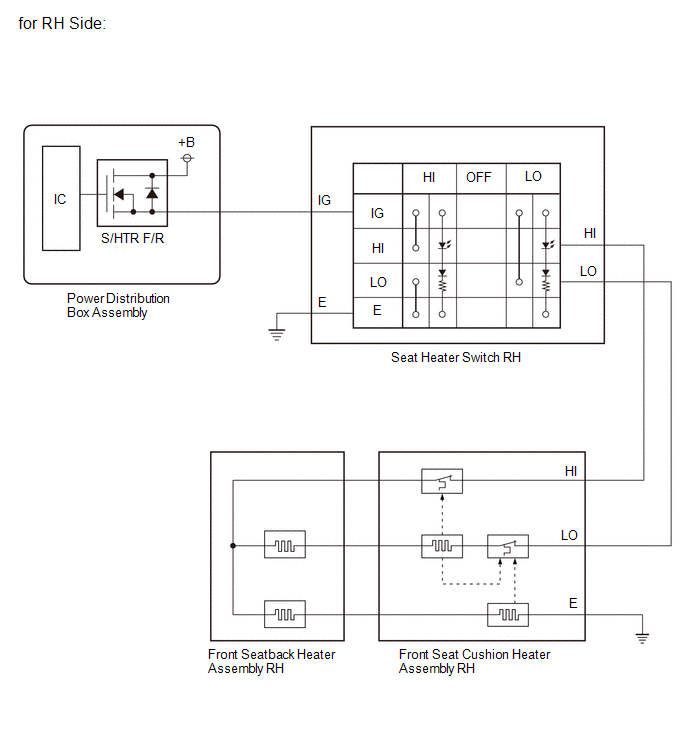
 Parts Location
P..
 System Description
SYSTEM DESCRIPTION FRONT SEAT HEATER (a) By operating the seat heater switch, the temperature can be controlled within the range of 30 to 50°C (86 to 122°F)...
Other information:
Toyota Yaris XP210 (2020-2026) Owner's Manual: Vehicle Loading
This section will guide you in the proper loading of your vehicle, to keep your loaded vehicle weight within its design rating capability. Properly loading your vehicle will provide maximum return of vehicle design performance. Before loading your vehicle, familiarize yourself with the following terms for determining your vehicle’s weight ratings, from the vehicle’s Safety Certification Label and Tire and Load Information Label: Base Curb Weight is the weight of the vehicle including a full tank of fuel and all standard equipment...
Toyota Yaris XP210 (2020-2026) Reapir and Service Manual: Components
COMPONENTS ILLUSTRATION *1 TAIL EXHAUST PIPE ASSEMBLY - - N*m (kgf*cm, ft.*lbf): Specified torque - - ILLUSTRATION *1 NO. 2 AIR FUEL RATIO SENSOR *2 COMPRESSION SPRING *3 EXHAUST PIPE GASKET *4 FRONT EXHAUST PIPE ASSEMBLY *5 CENTER NO...
Categories
- Manuals Home
- Toyota Yaris Owners Manual
- Toyota Yaris Service Manual
- Brake System Control Module "A" System Voltage System Voltage Low (C137BA2)
- Opening and Closing the Liftgate/Trunk Lid
- How to use USB mode
- New on site
- Most important about car
Break-In Period
No special break-in is necessary, but a few precautions in the first 600 miles (1,000 km) may add to the performance, economy, and life of the vehicle.
Do not race the engine. Do not maintain one constant speed, either slow or fast, for a long period of time. Do not drive constantly at full-throttle or high engine rpm for extended periods of time. Avoid unnecessary hard stops. Avoid full-throttle starts.
Copyright © 2026 www.toyaris4.com